The City of Rivers, Prosperity and Vitality.
Introduction
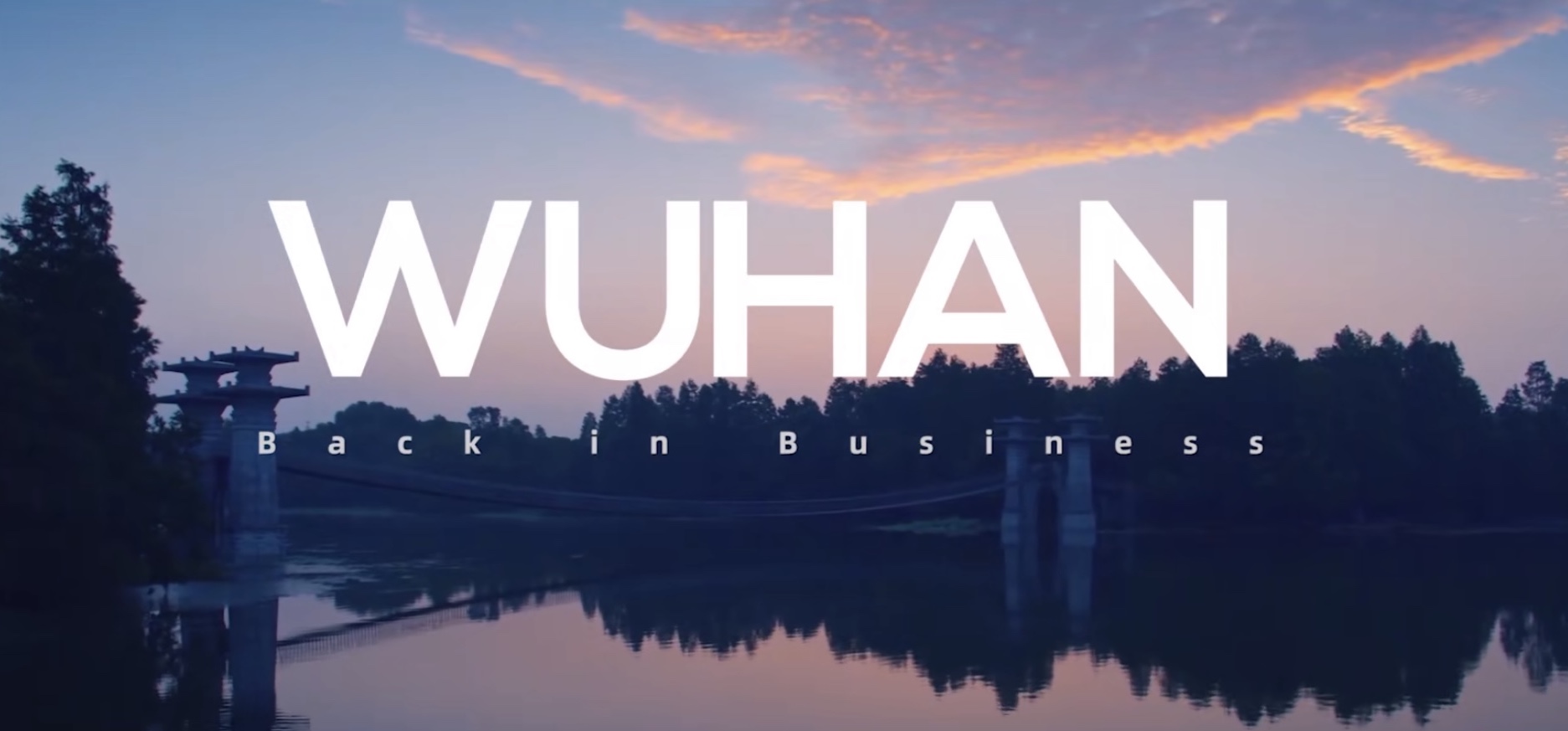 Wuhan is the capital of Hubei Province, in the People's Republic of China. It is the largest city in Hubei and the most populous city in Central China, with a population of over 11 million, the ninth-most populous Chinese city and one of the nine National Central Cities of China.
The name "Wuhan" came from the city's historical origin from the conglomeration of Wuchang, Hankou and Hanyang, which are collectively known as the "Three Towns of Wuhan". It lies in the eastern Jianghan Plain, at the confluence of the Yangtze river and its largest tributary, the Han River and is known as "Nine Provinces' Thoroughfare".
Because of its key role in domestic transportation, Wuhan is sometimes referred to as "the Chicago of China" by foreign sources.
While Wuhan has been a traditional manufacturing hub for decades, it is also one of the areas promoting modern industrial changes in China. Wuhan consists of three national development zones, four scientific and technological development parks, over 350 research institutes, 1,656 high tech enterprises, numerous enterprise incubators and investments from 230 Fortune Global 500 firms.
General Motors, Honda, PSA Group and Dongfeng all have big manufacturing plants in Wuhan. 1 out of every 10 of the vehicles on the road in China is made here.
There are 35 higher educational institutions in Wuhan, making it a leading educational hub for China. Prominent institutions include Huazhong University of Science and Technology and Wuhan University.
Cuisine to taste
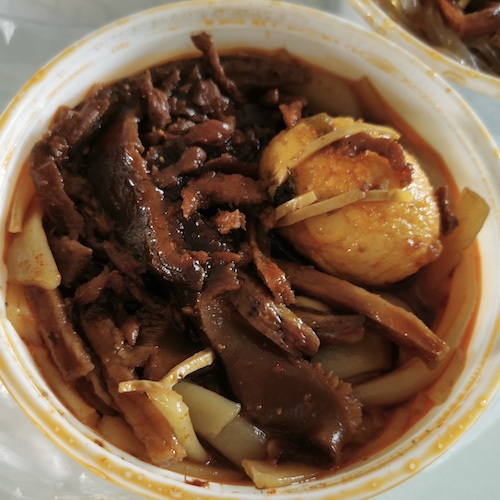
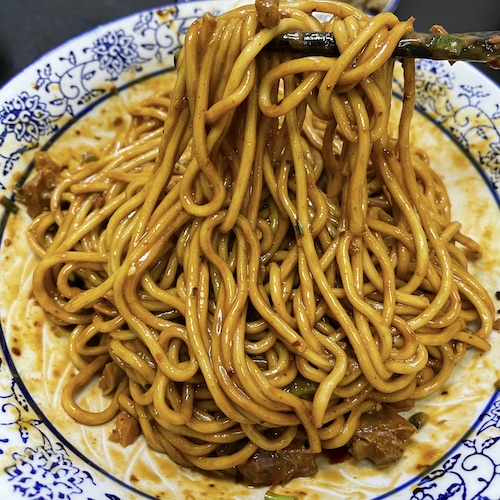
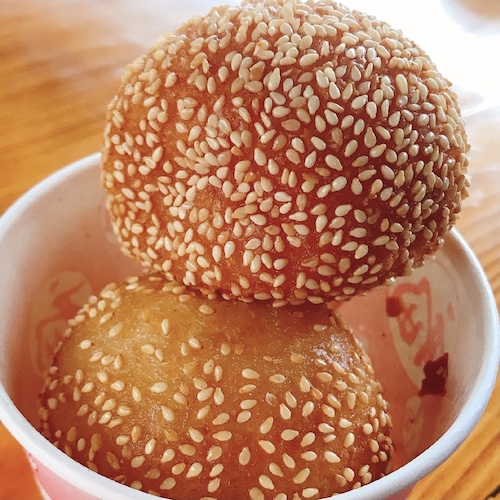
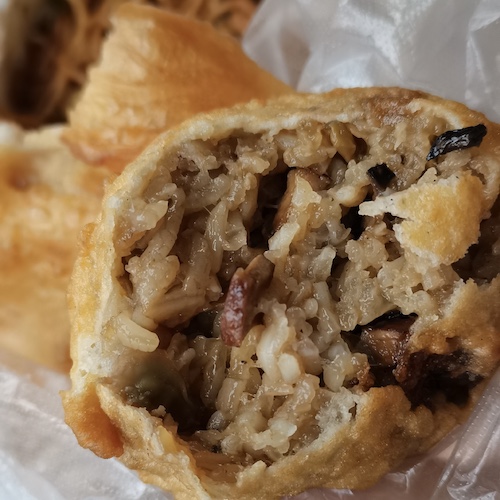
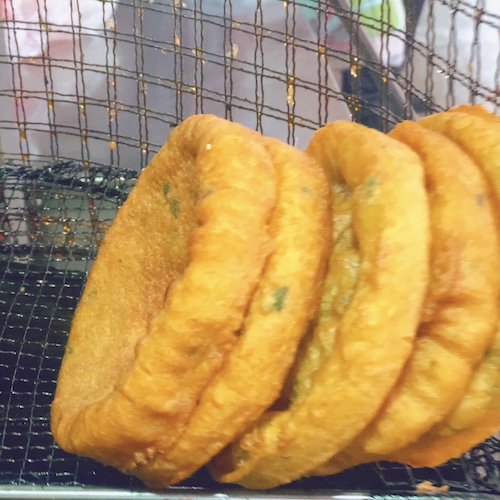
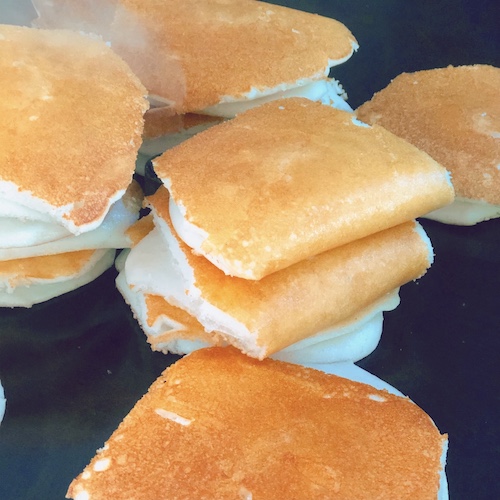
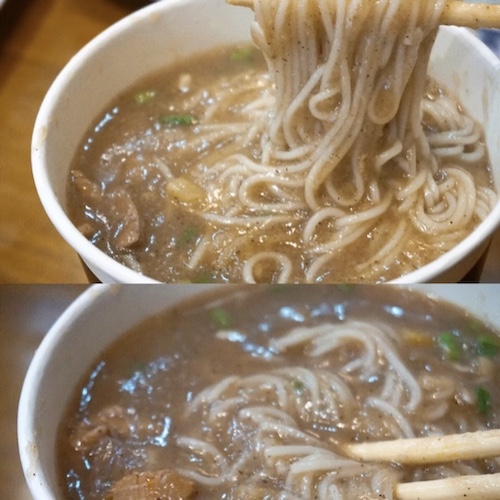
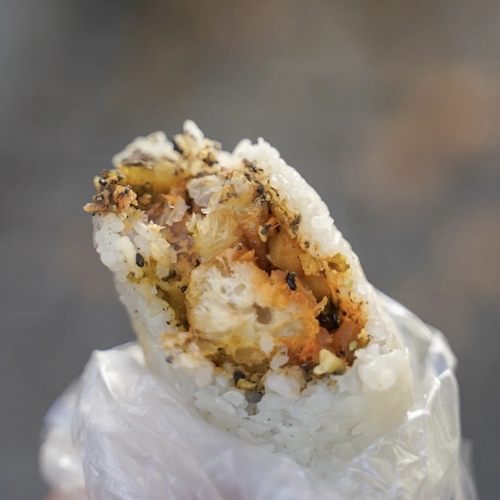
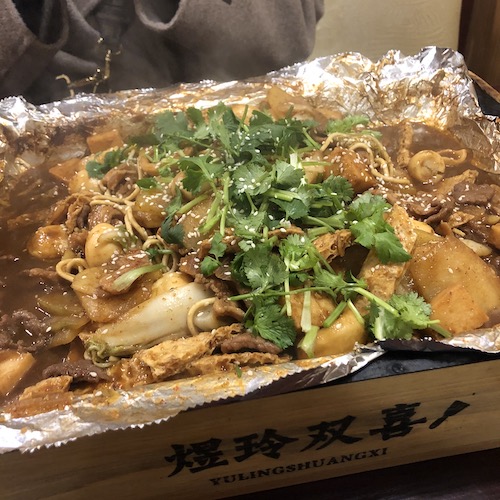
Wuhan is a perfect city to taste all kinds of cuisines. In here, we call eating breakfast as"Guo Zao"(pass early), and there are various choices of breakfast.
There is a saying about Wuhan breakfast: "In Wuhan, you can have your breakfast without repeating for a month."
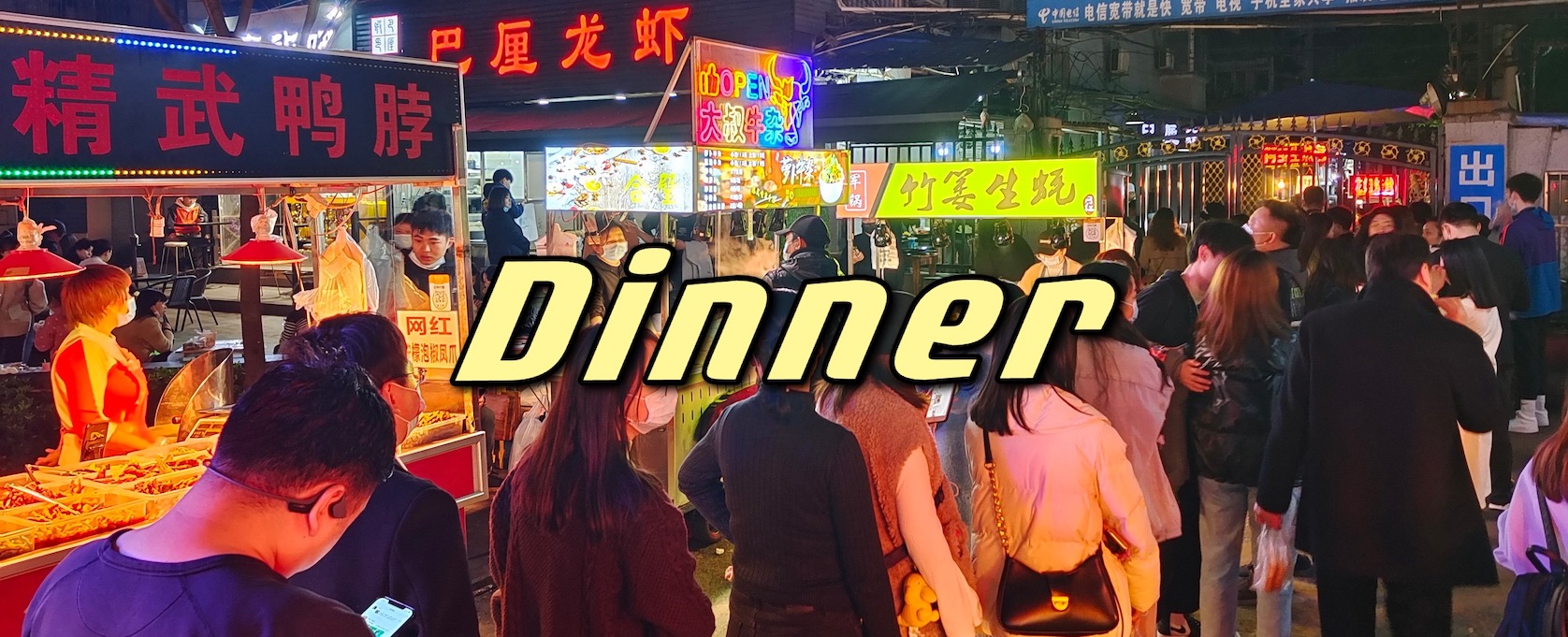
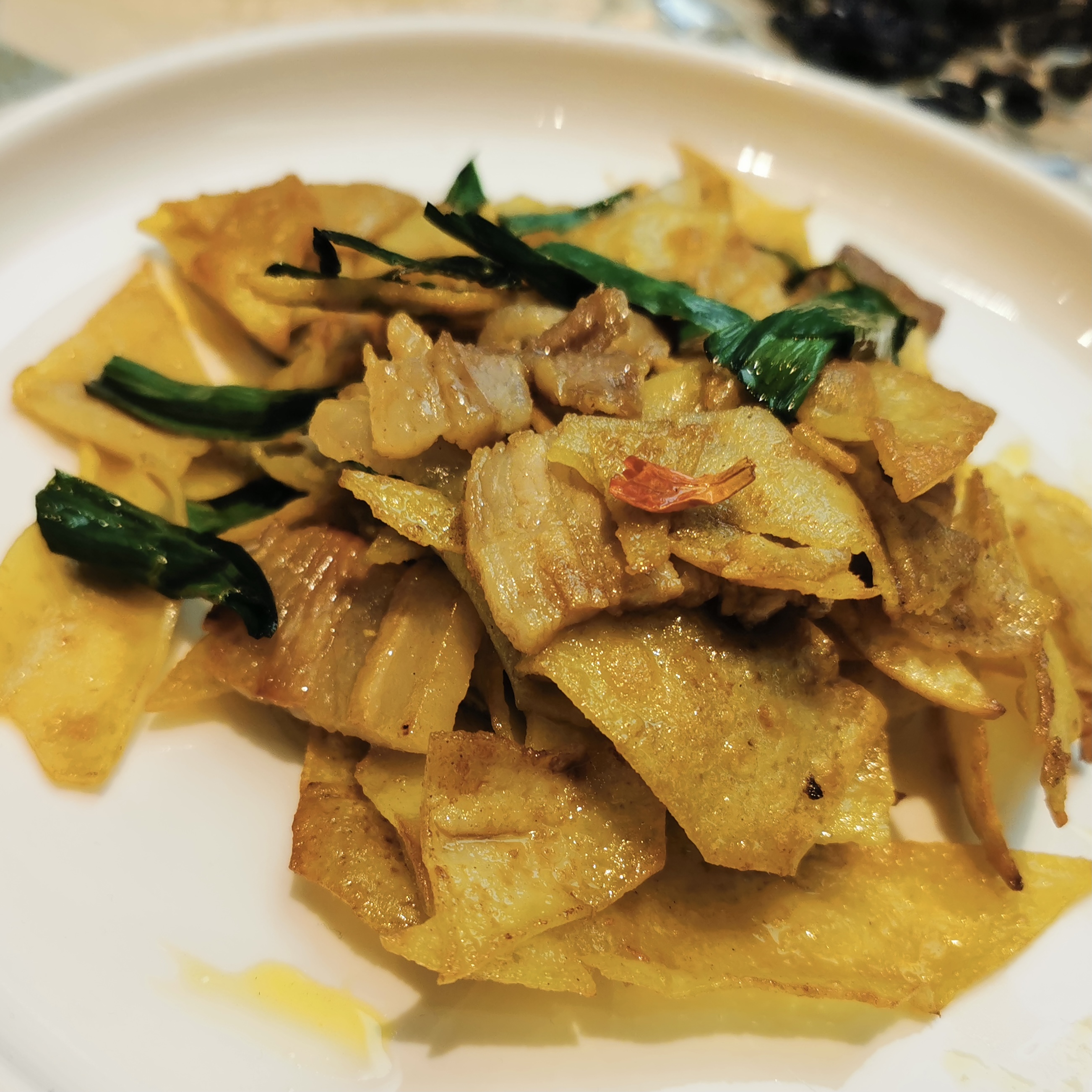
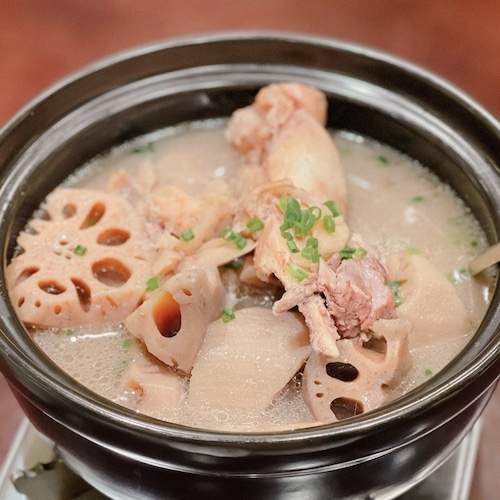
You can also have variety of snacks, street food, and traditional food in Wuhan. Wuhanese have a salty and spicy flavor and tend to like fusion cuisines.





Places to visit
Since the "Golden Waterway" of the Yangtze River and the Han River traverse the urban area and divide Wuhan into the three districts, there are eleven bridges and one tunnel across the Yangtze River.
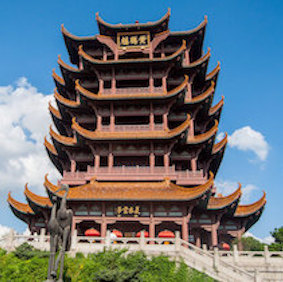 Yellow Crane Tower is considered one of the Four Great Towers of China. It's built as early as AD 233 and located on the banks of the Yangtze River in Wuchang District.
The current structure was built in 1981, 51.4 m (169 ft) high and covers an area of 3,219 m2 (34,650 sq ft). It is situated on Snake Hill, one kilometer away from the original site.
The top of the tower has a broad view of its surroundings and the Yangtze River.
Yellow Crane Tower was made famous by an 8th-century poem written by Cui Hao, titled "Yellow Crane Tower", and the modern english translation of the poem is:
Long ago one's gone riding the yellow crane, all that remained is the Yellow Crane Tower.
Once the yellow crane left it will never return, for one thousand years the clouds wandered carelessly.
The clear river reflects each Hanyang tree, fragrant grasses lushly grow on Parrot Island.
At sunset, which direction leads to my hometown? One could not help feeling melancholy along the misty river.
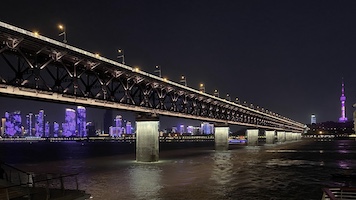 This is Wuhan Yangtze River Bridge, one of the bridges that cross over the Yangtze River and the Han River, which divides Wuhan into the three districts of Wuchang, Hankou, and Hanyang.
Many people go there in the evening to walk and feel the evening breeze.
It is commonly known as Wuhan First Yangtze Bridge, and is a double-deck road and rail bridge across the Yangtze River in Wuhan, in Central China.
The bridge extends 1.6 kilometers (1 mile) from Turtle Hill in Hanyang, on the northern bank of the Yangtze, to Snake Hill in Wuchang, on the southern bank of the Yangtze.
The upper level of the bridge is a two-way, four-lane automobile highway. The lower level is a double-track railway on the Beijing-Guangzhou railway line.
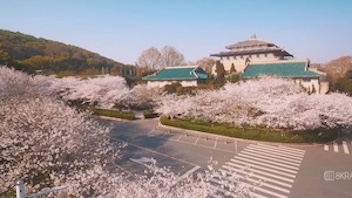 Wuhan University is a national research university located in Wuhan, Hubei. It is one of the most prestigious and selective universities in China, and was recognized by the Chinese Ministry of Education as a Class A Double First Class University.
It was one of the four elite universities in the early Republican period and is also one of the oldest universities in China.
Wuhan University has been perennially ranked among the top-tier universities in China.
It is located at Luojia Hill, with palatial buildings blending Chinese and Western styles.
If you would like to feel the breath of youth and striving, it is one of the best places to go.
March is the best month to visit it since the cherry blossom of Wuhan University is gorgeous.
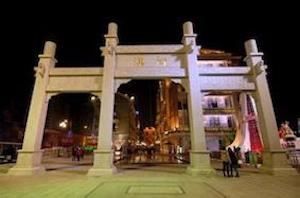 Chu River and Han Street is a street and a river in Wuhan, and it is situated in downtown between East Lake and Shahu Lake in Wuchang District.
It is a perfect place to go if you want to visit somewhere that is prosperous.
Han Street is 1500 meters in length and by far the longest commercial pedestrian street in China. It houses shopping malls, restaurants, cultural and recreational sites. Roughly 200 businesses are located on this street.
Han Street has a unique architectural style, blending tradition and modernity. Most of its architecture recreates the style of the Republic of China period, marked by red-and-grey bricks, delicate architraves, and old-fashioned wooden windows. However, modern and European style building are included among the old-style architectures.